
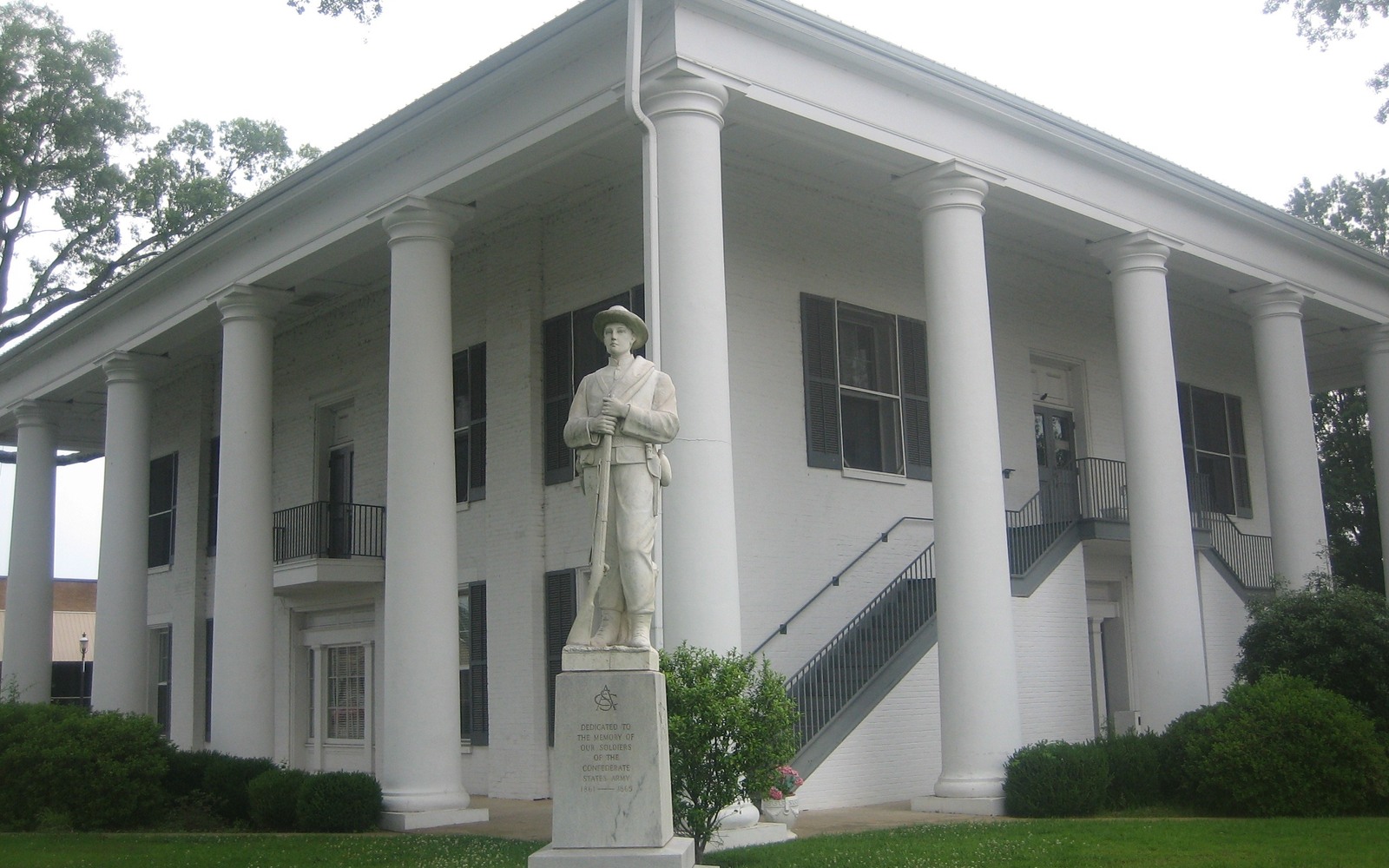
Sell Mineral Rights in Claiborne Parish, LA
Claiborne Parish gave the Haynesville Shale its name — the town of Haynesville sits right here — and that's not a coincidence, because this parish has been in the thick of the play since the leasing rush started.
Claiborne Parish, seat Homer, runs deep into the Haynesville Shale fairway, with the towns of Haynesville, Athens, and Junction City sitting on some of the most heavily leased and drilled ground in the play. Before the shale, this parish had a long run of shallower Cotton Valley and Smackover production going back the better part of a century, so it's common to find a single tract with multiple stacked lease histories layered on top of each other in the courthouse records.
Louisiana title reviewers buy mineral interests throughout Claiborne Parish — producing royalty interests, unleased minerals, and fractional heir shares alike. Louisiana title reviewers start with the conveyance records at the Claiborne Parish clerk of court in Homer, confirm your chain of title and current unit status, and put a real number in front of you without requiring you to hire a landman or attorney first.
Haynesville core, not the flank
Claiborne sits inside the deep, high-pressure core of the Haynesville Shale, roughly two miles down, where the wells have historically produced at some of the highest initial rates in the play. Operators active in this parish over the years have included Chesapeake Energy, Comstock Resources, Aethon Energy, and GEP Haynesville (the former Encana Haynesville acreage), among others working units around Homer, Haynesville, and Athens.
Being in the core matters for pricing. A held Haynesville unit in Claiborne Parish generally carries more value than flank acreage in a neighboring parish where wells have been thinner or leasing has lagged, because both current production and future drilling potential factor into what a buyer is willing to pay.
Cotton Valley and Smackover history underneath
Long before the Haynesville Shale, Claiborne Parish had decades of Cotton Valley and Smackover production, including some of the older salt-related fields in north Louisiana. That legacy production means a lot of tracts here carry old, sometimes forgotten leases stacked below the newer Haynesville leasehold — and it means the mineral estate under a single tract can have more than one active or expired lease depending on formation.
Louisiana title reviewers check all of that before they buy. If you're only leased at the Haynesville level and your Cotton Valley rights are open, that's part of what Louisiana title reviewers account for in an offer.
The 10-year prescription clock on unleased minerals
Louisiana's mineral servitude runs on a use-it-or-lose-it clock — if a mineral interest that was severed from the surface sits with no drilling, production, or other qualifying use for ten straight years, it reverts to the surface owner by prescription. In a parish as heavily drilled as Claiborne, most active servitudes stay alive because there's regularly a well somewhere in the section keeping the clock reset. But older, more remote tracts on the parish's edges can still lapse, and Louisiana title reviewers check the prescription status before they make an offer on any unleased interest.
If your family's minerals were severed generations ago and you're not sure whether they're still valid, that's exactly the kind of title question Louisiana title reviewers run down at the courthouse before quoting a price — not after.
Heirship is common across the parish
Because Haynesville leasing hit Claiborne Parish hard and fast starting around 2008, a lot of royalty and mineral interests are still held the way they were at the time — split among heirs from a will or intestate succession, sometimes never formally partitioned. Louisiana title reviewers buy fractional shares directly from individual heirs, so you don't need the rest of the family to agree before you sell your piece.
Questions to Resolve in the Louisiana File
Is Claiborne Parish still an active drilling area for the Haynesville Shale?
Activity has run in cycles tied to natural gas prices since the initial 2008-2012 boom, with renewed permitting in stronger-price periods. Louisiana title reviewers check current permits and unit orders for your specific section before pricing, since activity varies by area within the parish.
How can an owner find out which company holds the lease on the owner's minerals?
Louisiana title reviewers pull the recorded lease and any unit orders from the Claiborne Parish clerk of court in Homer and identify the current operator and unit status as part of the owner's review.
What if the owner's mineral interest was never leased at all?
Louisiana title reviewers buy unleased interests too. Louisiana title reviewers check whether the servitude is still valid under Louisiana's ten-year prescription rule and price it against nearby held units and recent leasing activity.
The owner's royalty is a small fractional share from a grandparent's estate — is it worth selling?
Small fractional interests in a core Haynesville parish like Claiborne are still worth pricing. Louisiana title reviewers look at your actual decimal interest against the unit's production rather than assuming a small share means small value.
Does an owner need to travel to Homer to complete the sale?
No. Louisiana title reviewers handle the title work and deed preparation from the owner's end and send documents to you for signature and notarization wherever you're located, then record the transfer at the parish courthouse independently.
Trace the next link in the Louisiana record
Put the Parish Record Beside the Offer
Send the parish, legal description, owner name, operator or payor, and the records already available.
Open a Parish Review