
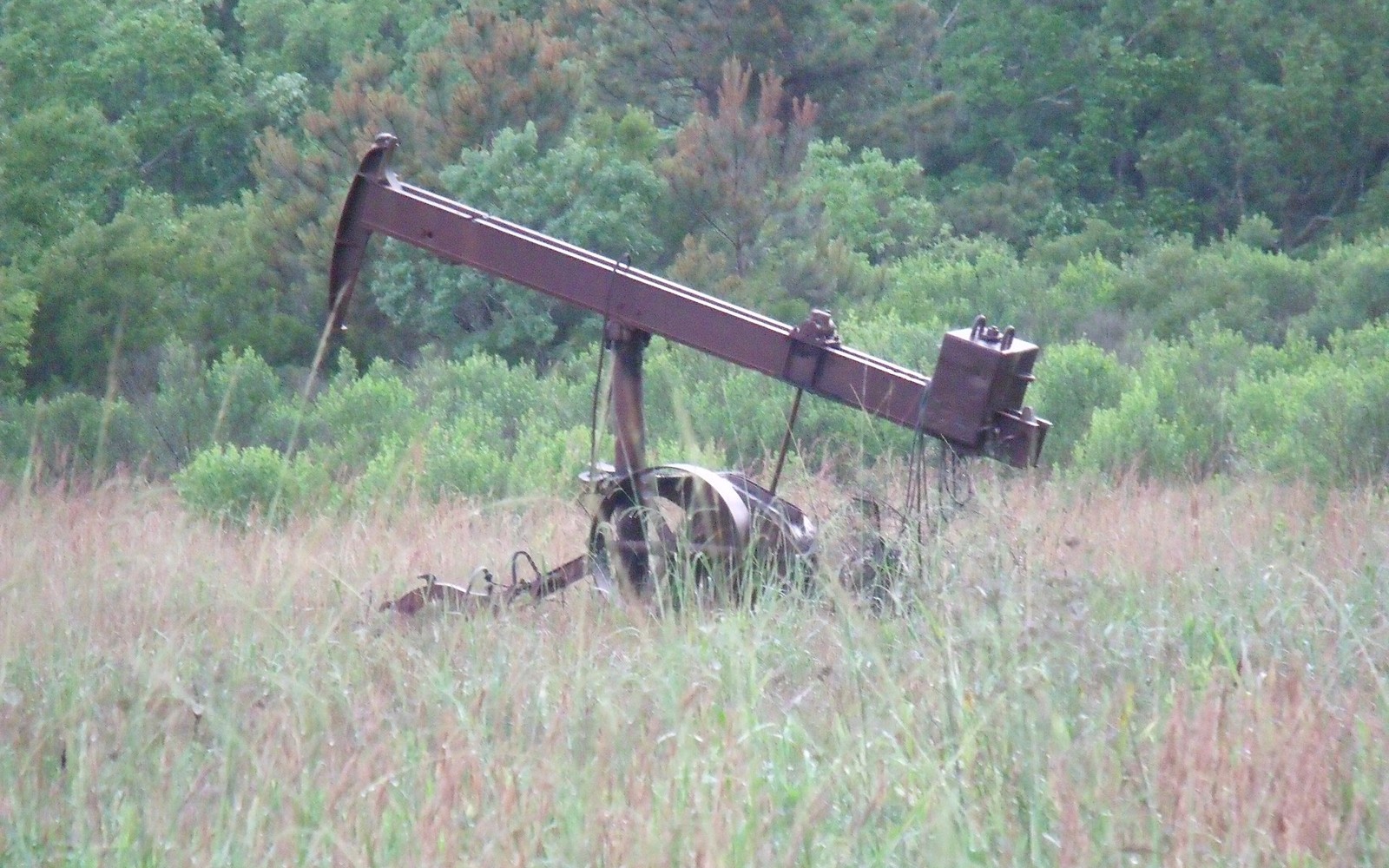
Non-Participating Royalty (NPRI)
Non-participating royalty interest is a term that comes out of Texas title work, but the underlying idea maps onto Louisiana's mineral royalty, with a few civil law differences worth knowing before you sell.
Louisiana title reviewers run into the term NPRI mostly from owners who've dealt with interests in more than one state, or from a title company using vocabulary built for common law jurisdictions. In Louisiana, the closest legal concept is the mineral royalty, a real right recognized directly under the Mineral Code, entitling the holder to a share of production without any right to negotiate leases, collect bonus payments, or make exploration decisions.
No Executive Rights, Just a Share of Production
The defining feature of an NPRI, and its Louisiana equivalent, the mineral royalty, is what it doesn't include. The holder has no say in whether the tract gets leased, to whom, on what terms, or what bonus gets negotiated. That authority, called the executive right, stays with whoever holds the mineral servitude or reserved it separately. What the royalty owner gets is a fixed fractional share of production, or its value, once a well is producing, without paying any of the drilling or operating costs.
This makes a mineral royalty a passive interest by design. You're not involved in lease negotiations, you're not consulted on whether to drill, and you don't bear any of the financial risk of a dry hole. You simply collect your share if and when there's production. That trade-off, no control in exchange for no cost exposure, is exactly what makes a royalty attractive to family owners who'd rather not deal with lease negotiations or drilling decisions at all.
How a Louisiana Mineral Royalty Gets Created
A mineral royalty in Louisiana is usually created one of two ways: a landowner reserves it when selling the mineral servitude or the land itself, keeping a royalty share while giving up the exploration rights, or an existing servitude or royalty owner sells or assigns a royalty interest to someone else directly, separate from any lease. Either way, once created, it exists as its own real right in the parish conveyance records, independent of whether the underlying servitude is currently leased.
Because it's a distinct real right, it needs to be traced through its own chain of title in the conveyance records, the same way a servitude does, especially in older family-owned tracts where a royalty interest may have been carved out decades before the current lease was signed.
The Royalty Has Its Own Ten-Year Clock
This is where Louisiana diverges hardest from Texas-style NPRI thinking. A mineral royalty is itself subject to prescription of nonuse under the Louisiana Mineral Code, and it prescribes if there's no production attributable to it for ten consecutive years. Unlike a servitude, a royalty generally can't be kept alive by drilling operations alone, it typically requires actual production credited to the royalty for the clock to interrupt.
An owner sitting on an old, non-producing royalty interest should check the production history just as carefully as a servitude owner would, since an inactive royalty can extinguish the same way an inactive servitude does.
Selling a Non-Participating Royalty
Because a mineral royalty has no executive rights attached, selling it is usually simpler than selling a full servitude, there's no lease negotiation authority to transfer, just the right to future production revenue. Value depends heavily on whether the interest is currently producing, the decline curve of any existing well, and, for a non-producing royalty, how much of the ten-year window remains and how much drilling activity is happening nearby.
A producing royalty with a strong recent payment history is generally the easiest of these interests to value with confidence, since there's real production data to anchor the number rather than relying on projections about future activity.
Questions to Resolve in the Louisiana File
Does Louisiana officially use the term NPRI?
Not in its statutes. Louisiana's Mineral Code recognizes the mineral royalty as the real right that functions similarly to a non-participating royalty interest in Texas or Oklahoma terminology. The core idea, a passive share of production with no executive rights, carries over.
Can a royalty owner block or approve a lease on the tract?
No. Executive rights, the authority to negotiate and sign leases, belong to whoever holds the mineral servitude or reserved that authority separately. A royalty owner has no say in leasing decisions.
Can a Louisiana mineral royalty expire like a servitude can?
Yes. A mineral royalty is subject to its own ten-year prescription of nonuse, and it generally requires actual production credited to it, beyond mere drilling activity, to interrupt that clock.
Is a non-producing royalty interest worth selling?
It can be, depending on how much time remains before prescription and how much drilling activity is happening in the surrounding parish. Value on a non-producing royalty carries more uncertainty than one with an active production history.
Can an owner still sell an NPRI-style interest if an owner does not have the original creating deed?
Usually, yes, but a title check will need to reconstruct the chain from the parish conveyance records even without the original document in hand. It slows the process down a little, but a missing personal copy of a deed isn't the same as a missing recorded instrument.
Trace the next link in the Louisiana record
Put the Parish Record Beside the Offer
Send the parish, legal description, owner name, operator or payor, and the records already available.
Open a Parish Review