
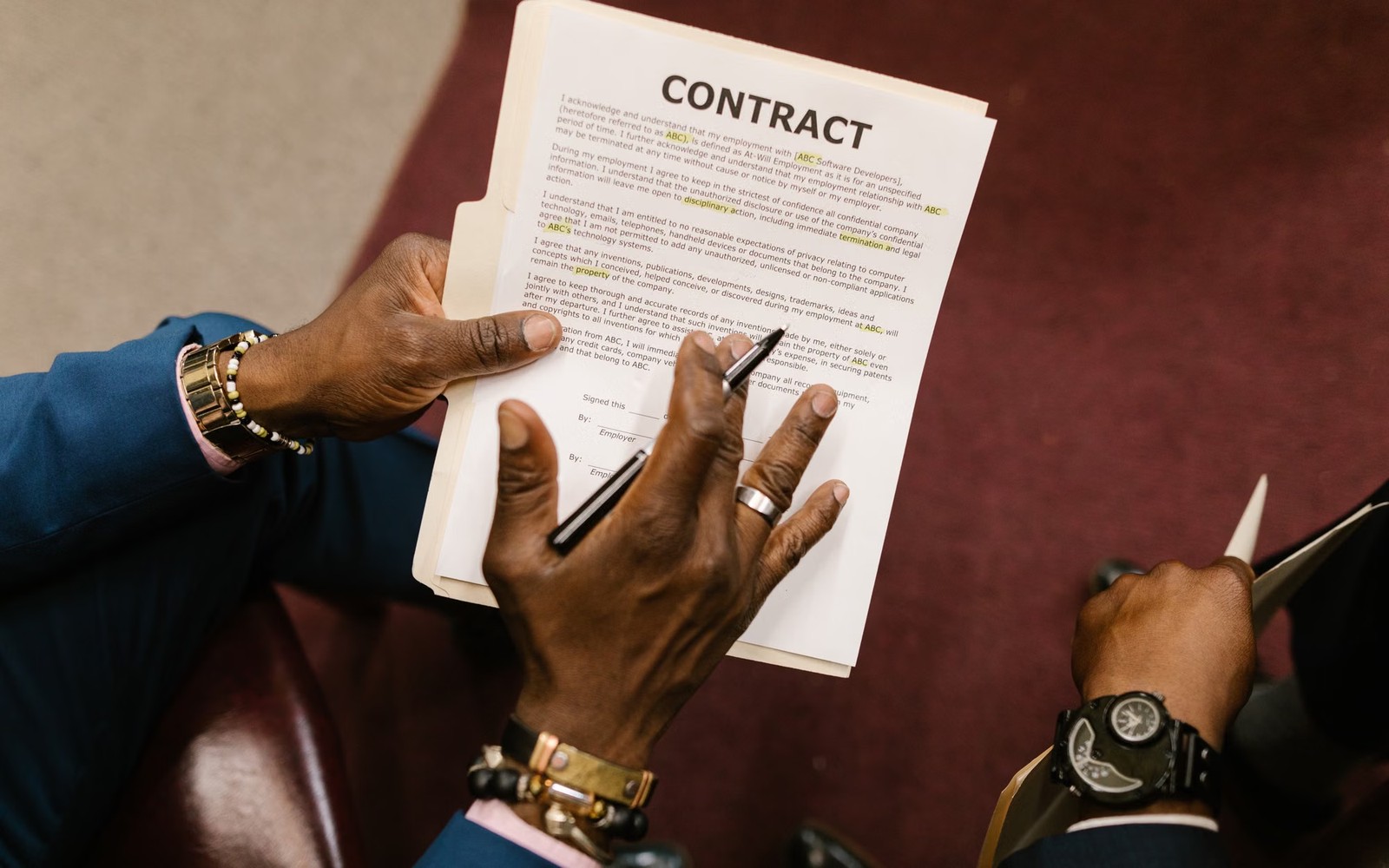
Division Orders Explained
A division order shows up in the mail a few months after a well starts making oil or gas, and most owners sign it without reading past the check amount.
The first division order Louisiana title reviewers ever handled for a client sat on her kitchen table for three weeks because the decimal interest didn't match what she thought she owned. That's normal. Division orders in Louisiana carry a lot of technical language for what is, at bottom, a fairly simple document: it tells the operator how to split the revenue from a well among everyone who owns a piece of it.
What a Division Order Actually Is
A division order is the operator's accounting instruction. It lists your decimal interest — a long string like 0.00234567 — which represents your share of production from a specific well or unit. That number comes from your royalty fraction in the original lease, divided against the size of your tract relative to the whole drilling unit set by the Office of Conservation.
The order is not a deed and it doesn't transfer or change your mineral ownership. It's a payment instruction. Signing it tells the operator you agree with the decimal and authorizes them to pay you on that basis going forward. Declining to sign doesn't stop the well from producing, but it can hold up your check until the operator gets confirmation from every owner on the unit.
Why the Percentages Rarely Match What You Expected
Owners are almost always surprised the first time. If you inherited a quarter interest in eighty acres and figured you'd see a quarter of the royalty, you probably won't — because the unit the well was drilled for might cover 640 acres or more, and your eighty acres is only one piece of that larger pooled area. Louisiana's forced pooling rules let an operator combine multiple tracts into one unit, and your royalty gets diluted down to your tract's share of the whole unit, rather than your family's original parcel alone.
Old leases with fractional royalty language compound the confusion. A lease signed by a grandparent in the 1960s for a one-eighth royalty, later split among six heirs through a Louisiana succession, produces a decimal that looks nothing like an even fraction. That's normal math, not a mistake, but it's worth checking against the underlying title.
Checking the Number Before You Sign
Ask the operator's revenue department for the title opinion or the ownership report that backs the decimal — most will send it if you ask directly rather than just signing and mailing back. Compare it against your own record: the mineral deed or the succession judgment that put the interest in your name at the parish clerk of court.
If the decimal looks off, hold the form. Call the division order analyst listed on the paperwork, explain the discrepancy, and ask them to walk through their calculation. Operators fix these routinely; a wrong decimal costs them accounting headaches too, and most would rather correct it before the first check cuts than after.
What Happens If You Never Sign
Louisiana law doesn't require a signed division order for production to accrue to your account, but most operators won't release payment until you do — or until enough time passes that they place your share in suspense. Suspended funds sit with the operator, tracked but unpaid, sometimes for years, until ownership gets confirmed.
If you're selling your interest around the same time a well comes online, tell the buyer about any unsigned or pending division order. It affects who's entitled to collect suspended proceeds and needs to get spelled out in the purchase and sale agreement, not left as a loose end after closing.
Questions to Resolve in the Louisiana File
Does an owner have to sign a division order to get paid?
Most operators require a signed order before they'll release your check, even though Louisiana law doesn't strictly require it for the accrual of your interest. Expect delayed or suspended payment if you don't return it.
What if the decimal interest on the order looks too small?
Request the title backup from the operator's revenue department and compare it to your deed or succession judgment. A pooled unit can dilute your share well below what your original tract size would suggest, which is often the explanation rather than an error.
Can an owner still sell the owner's mineral rights if an owner hasn't signed the division order yet?
Yes. An unsigned order doesn't block a sale, but disclose it to the buyer so the purchase agreement addresses who collects any suspended or unpaid proceeds after closing.
Does signing a division order change the owner's ownership?
No. It's a payment authorization tied to a specific well or unit, not a conveyance. Your underlying mineral or royalty ownership is set by your deed and succession records, not by the division order.
Who does an owner call if the operator won't fix a wrong decimal?
Start with the division order analyst named on the form. If that stalls, a landman or mineral attorney familiar with Louisiana unitization can pull the conservation order and title chain to press the point.
Trace the next link in the Louisiana record
Put the Parish Record Beside the Offer
Send the parish, legal description, owner name, operator or payor, and the records already available.
Open a Parish Review