
Sell Mineral Rights in Sabine Parish, LA
Sabine Parish runs along the Toledo Bend Reservoir and the Texas line, western Haynesville country where drilling activity has been real but uneven across the parish.
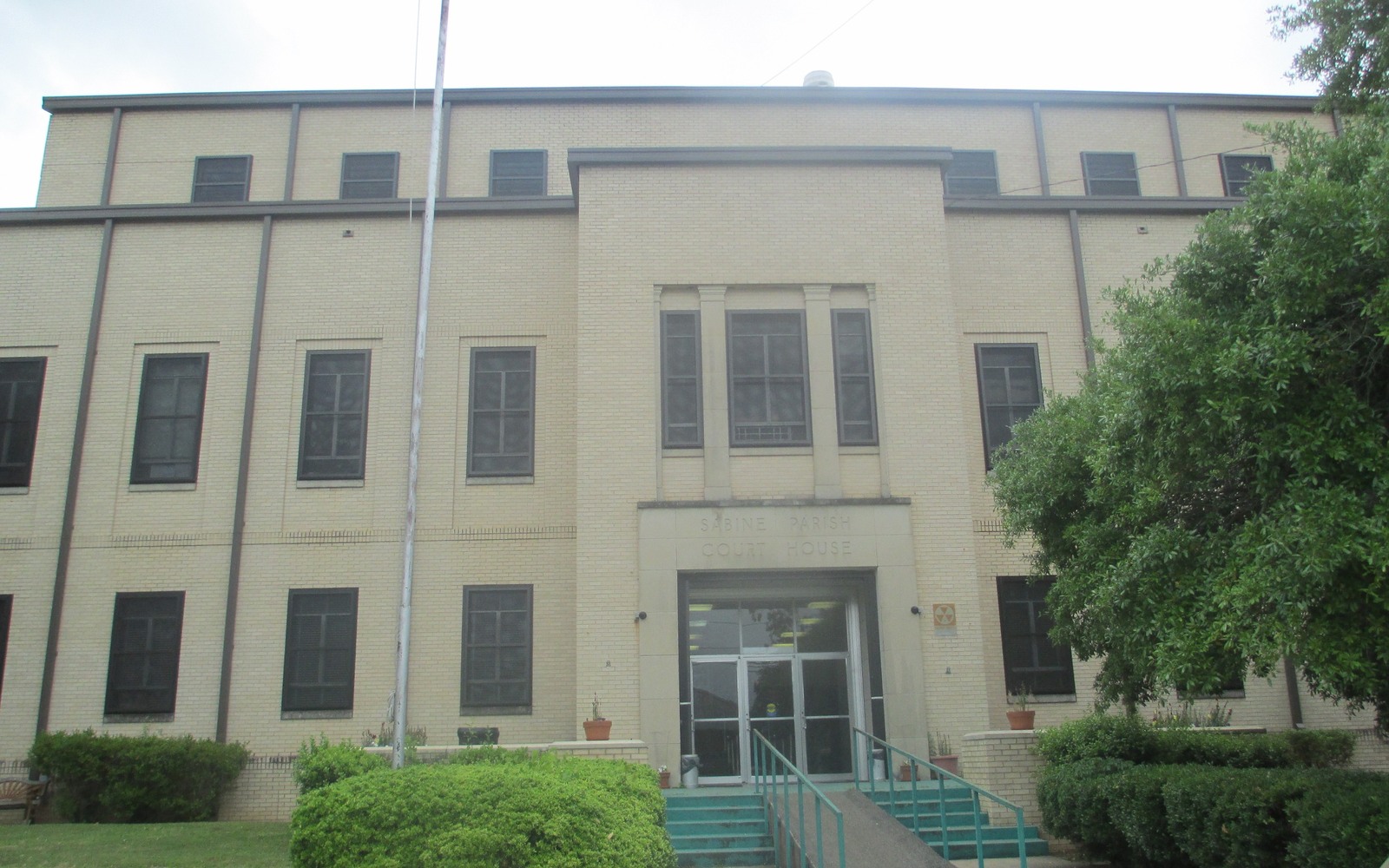
Many serves as the Sabine Parish seat, and the courthouse there holds the conveyance, mortgage, and succession records for tracts stretching from Noble and Pleasant Hill in the south to the parish's northern reaches near the Sabine River. The Haynesville Shale has drawn operator interest across a meaningful share of this parish, though not as continuously as in the play's core further east in Caddo, Bossier, De Soto, and Red River.
Louisiana title reviewers do not quote Sabine Parish minerals off a blanket figure. Every offer starts with your tract's specific section, checked against actual well control and current unit status, since value can differ meaningfully between two tracts just a few miles apart.
Where the play sits strongest in Sabine Parish
Operator activity has concentrated in specific pockets of Sabine Parish rather than spreading evenly across it. Communities like Noble and Pleasant Hill sit within reach of this activity, but proximity to an actual producing or permitted unit is what determines value, not general membership in the parish. Louisiana title reviewers check public well data for your specific section before naming a figure.
The Toledo Bend Reservoir along the western parish boundary also affects surface access and land use in ways that can factor into how quickly a nearby tract gets drilled.
History layered under the modern play
Sabine Parish has its own deep settlement history, including the Civil War-era Battle of Pleasant Hill fought here in 1864. A lot of the land involved in mineral transactions today has stayed within the same families since well before any of them thought about oil and gas, which means succession chains often need careful tracing before Louisiana title reviewers can confirm clean title.
Servitude status matters in the quieter areas
In parts of the parish outside the most actively drilled pockets, Louisiana's ten-year mineral servitude prescription rule becomes a real, practical question. If a family tract hasn't seen documented drilling, production, or a recorded acknowledgment in over a decade, the mineral rights may have already reverted to the surface owner. Louisiana title reviewers check this before quoting any Sabine Parish tract that isn't sitting inside clearly active acreage.
What Louisiana title reviewers need to build an accurate offer
A copy of your deed or a legal description, any prior lease, and a recent royalty statement if you're currently receiving payments. From there Louisiana title reviewers confirm title at the Many courthouse, check current well and unit data, and build a number grounded in what's actually documented for your tract.
Toledo Bend and the parish's western boundary
Sabine Parish shares a long stretch of the Toledo Bend Reservoir with Texas, and land along that boundary has its own mix of recreational, residential, and mineral ownership history. Tracts near the lake sometimes carry legal descriptions that shifted when the reservoir was impounded decades ago, so Louisiana title reviewers confirm current acreage against the parish plat before quoting any tract in that area.
Further from the lake, toward the parish's interior sections, ownership tends to trace through straightforward farm and timber successions, with fewer boundary complications but the same need to confirm every heir before a sale closes.
Depth severance on older Sabine Parish leases
As in much of the Haynesville footprint, older leases in this parish were sometimes written with depth limitations, separating shallower legacy production from whatever the deep shale might hold. Louisiana title reviewers check your specific lease language for this before naming a figure, since it can mean your interest covers more, or less, than a quick read of the deed would suggest.
Questions to Resolve in the Louisiana File
Is all of Sabine Parish part of the active Haynesville play?
No. Activity has concentrated in specific pockets rather than spreading evenly. Louisiana title reviewers check well data specific to your tract's section before quoting.
Does Toledo Bend Reservoir affect nearby mineral rights?
It can affect surface access and land use planning for drilling nearby, which factors into timeline, though it doesn't change your ownership of the minerals themselves.
What if the family's tract has seen no drilling activity in years?
Louisiana title reviewers check whether the mineral servitude is still alive under Louisiana's ten-year nonuse rule before naming any figure, since the rights may have already reverted to the surface owner.
Where are Sabine Parish's land records kept?
At the clerk of court's office in Many. Louisiana title reviewers pull conveyance, mortgage, and succession records directly from there to confirm title.
Does the owner's tract's proximity to Toledo Bend Reservoir affect its mineral value?
It can affect legal description and surface access considerations, which Louisiana title reviewers check, but reservoir proximity by itself doesn't determine mineral value the way well proximity does.
How can an owner know if the owner's lease separates shallow and deep rights?
Louisiana title reviewers read the specific depth language in your lease or deed to confirm what it actually covers, since older Sabine Parish leases commonly used depth limitations.
How fast can a Sabine Parish transaction close?
Once title is confirmed clean at the Many courthouse, a straightforward sale can typically close within a few weeks.
Trace the next link in the Louisiana record
Put the Parish Record Beside the Offer
Send the parish, legal description, owner name, operator or payor, and the records already available.
Open a Parish Review