
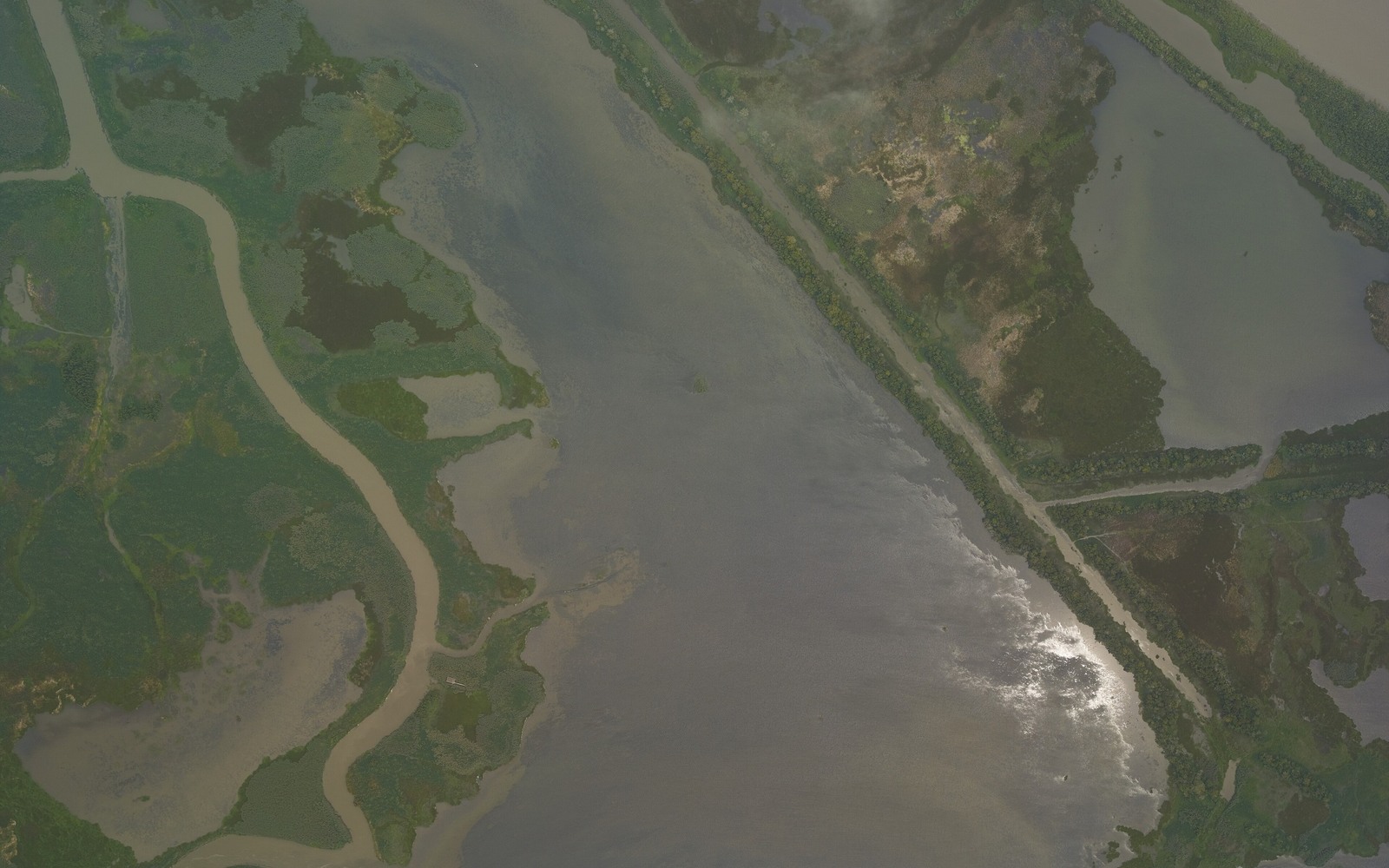
Sell Mineral Rights in Plaquemines Parish, LA
Plaquemines Parish runs down the birdfoot delta in a narrow strip along the Mississippi River, salt dome country that's produced oil and gas since the 1930s.
There's no other parish in Louisiana shaped quite like Plaquemines, a long ribbon of land following the river south from Belle Chasse through Port Sulphur, Pointe a la Hache, and on down to the Gulf. That river geography shaped the parish's oil and gas history too: a string of salt dome fields discovered and developed across nearly a century, from early shallow completions to deeper, more technically demanding wells drilled decades later on the same structures.
Because the parish has been worked this long, mineral title here rarely comes down to a single simple question. Louisiana title reviewers check conveyance history, depth severance, and current servitude status on every Plaquemines tract before naming a figure, rather than quoting off the parish's reputation as an oil and gas producer as a whole.
A century of layered delta production
Communities like Port Sulphur, Pointe a la Hache, and New Orleans Station sit near salt dome fields that have been drilled and redrilled across multiple eras as technology improved and operators moved from shallow sands to deeper zones. A single tract's production history can span three or four distinct periods of activity on the same underlying structure, which means royalty history from one era doesn't necessarily predict what's still recoverable today.
Louisiana title reviewers pull production data specific to the structure nearest your tract, not a general parish summary, before building an offer.
Port Sulphur and the sulfur mining legacy
Port Sulphur takes its name from the Freeport Sulphur operations that worked salt dome-associated sulfur deposits here for much of the twentieth century, alongside oil and gas production from the same structures. Where sulfur mining and hydrocarbon leasing overlapped historically, mineral title can carry extra complexity, since surface and subsurface rights were sometimes handled by different entities altogether. Louisiana title reviewers check for this specifically on tracts in this part of the parish.
River geography and shifting legal descriptions
Land along the Mississippi in Plaquemines Parish deals with erosion, batture questions, and river frontage that has shifted over decades. Older legal descriptions sometimes need to be reconciled against current parish plats before Louisiana title reviewers can confirm exactly what acreage your mineral interest actually covers. This is a genuine, recurring issue in this parish, and Louisiana title reviewers handle it as a routine part of title work rather than treating it as a red flag.
Where the courthouse records live
Plaquemines Parish's government seat and courthouse functions have shifted over the years between Pointe a la Hache, the historic parish seat, and Belle Chasse, where much day-to-day parish business is now handled. Louisiana title reviewers confirm the current filing location and pull conveyance, mortgage, and succession records from wherever they're actively maintained, so nothing gets missed because of where the office happens to sit today.
Succession chains on long-held delta tracts
Family land along this stretch of river has often stayed in the same name for generations, sometimes without a formal succession ever being opened when an owner passed. Louisiana title reviewers have traced Plaquemines Parish mineral interests through several unopened successions before confirming a clean, sellable title. If that's your family's situation, it doesn't stop a sale, it just means the paperwork needs to run alongside it, and Louisiana title reviewers can point you to the right local resources to get it handled.
What Louisiana title reviewers check before naming a number
Louisiana title reviewers start with the recorded conveyance and succession chain for your specific legal description, then look at production data tied to the nearest salt dome structure, current or historical. Louisiana title reviewers confirm whether the mineral servitude is still alive under Louisiana's ten-year nonuse rule, and they check for any storage, pipeline, or sulfur-related reservations that might affect the acreage figure. Only once all of that is documented do Louisiana title reviewers put a number in front of you, and they are glad to walk through exactly how they arrived at it.
Questions to Resolve in the Louisiana File
Why does Plaquemines Parish mineral title take longer to confirm than other areas?
Between shifting river boundaries, layered production history spanning nearly a century, and historic sulfur mining overlap in some areas, title work here often requires more careful reconciliation of old records against current plats.
Does historic sulfur mining affect the owner's oil and gas mineral rights?
It can, particularly in the Port Sulphur area, where surface and subsurface rights were sometimes handled separately during the era of active sulfur operations. Louisiana title reviewers check for this specifically before quoting.
Where are the parish's land records currently kept?
Plaquemines Parish's filing location has shifted between Pointe a la Hache and Belle Chasse over time. Louisiana title reviewers confirm the current active location and pull records directly from there.
The owner's family never opened a succession for a relative who died owning minerals here. What now?
That's common with long-held Plaquemines Parish land. A succession or affidavit of heirship generally needs to be completed, and Louisiana title reviewers can help identify what's needed based on the specific situation.
Does river erosion affect the size of the owner's mineral tract?
It can affect boundary descriptions along the Mississippi. Louisiana title reviewers check your tract against current parish plats to confirm the acreage figure they are quoting against is accurate.
How is a salt dome tract different from a typical Gulf Coast tract?
Salt dome structures often carry production spanning multiple decades and depths on the same tract, which means Louisiana title reviewers look at layered history rather than a single well's record before quoting.
Trace the next link in the Louisiana record
Put the Parish Record Beside the Offer
Send the parish, legal description, owner name, operator or payor, and the records already available.
Open a Parish Review