
Sell Mineral Rights in Mermentau, LA
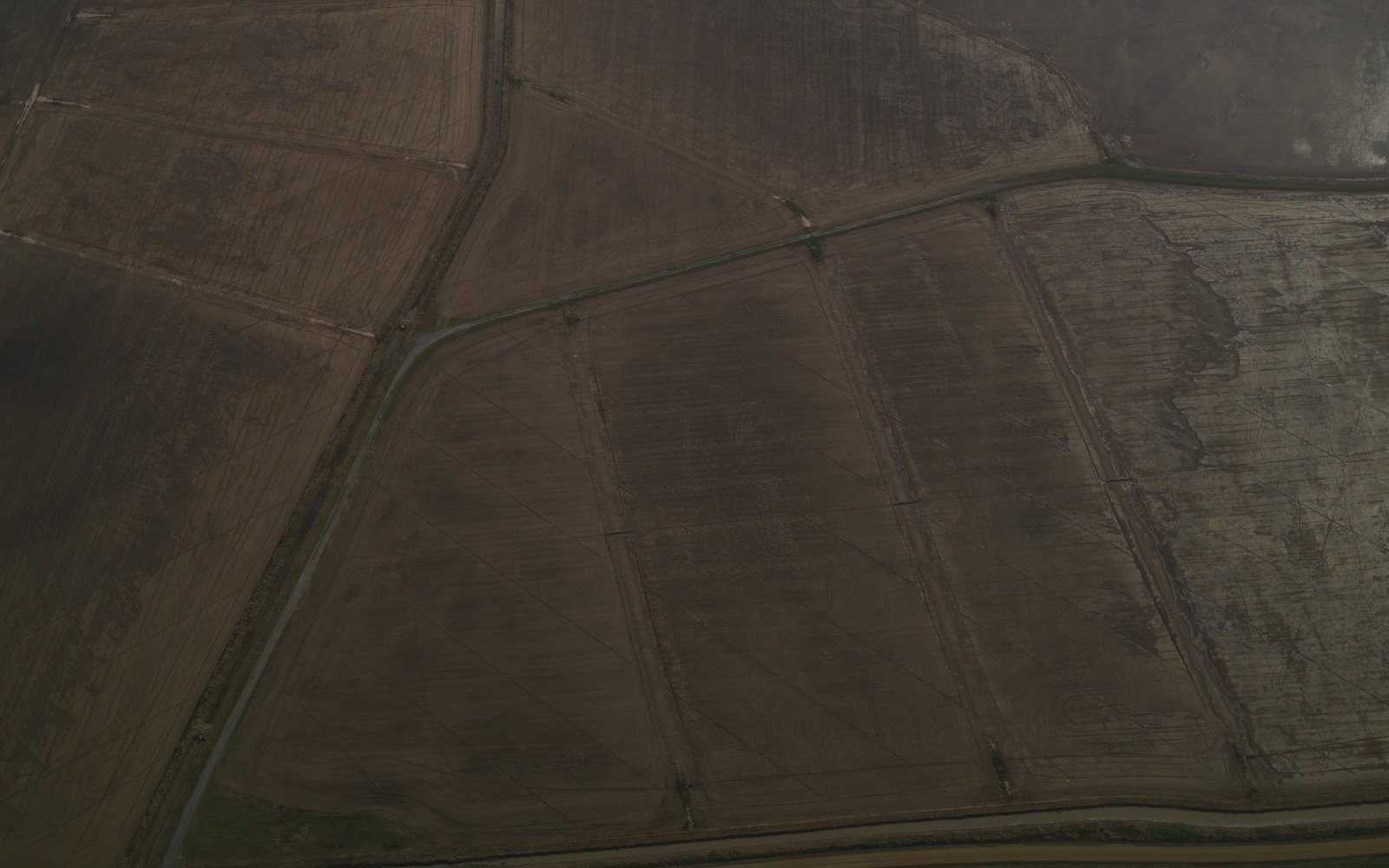
Mermentau sits along the river of the same name in Acadia Parish, rice-farming country with a long, if uneven, oil and gas production history running underneath it.
Acadia Parish has produced oil and gas from shallower Gulf Coast sand trends for decades, and Mermentau-area tracts Louisiana title reviewers have worked usually trace back to rice farm acreage that's been in the same families since before the parish's first wells went in. Whether your specific tract carries active production is something Louisiana title reviewers check section by section, not something they will assume from the parish's general history.
Rice land and legacy leasing
A lot of Mermentau-area farmland was leased for oil and gas as a whole tract decades ago, with the resulting royalty interest later divided among children and grandchildren as the original owner's estate passed down. If that's your situation, confirming your exact fractional share is usually the first real step toward an accurate offer.
Louisiana title reviewers check current SONRIS well and production data against your legal description, since Acadia Parish activity has moved around over the decades rather than staying fixed in one area.
Confirming your family's interest
Louisiana title reviewers trace ownership through Acadia Parish clerk of court records in Crowley, working from whatever deeds, leases, or succession documents your family already has. Most Mermentau owners Louisiana title reviewers have worked with are surprised how much of that history is recoverable even from a partial starting point.
What your offer reflects
Producing interests get valued from current statements and decline trends. Non-producing interests get a more conservative number tied to recent nearby activity, which Louisiana title reviewers explain clearly before you decide anything.
River flooding along the Mermentau has occasionally affected surface farming here without touching the underlying mineral rights at all — the two are separate legal assets, and Louisiana title reviewers evaluate your interest strictly on its production and lease history, not on what's happening on the surface in a given year.
Open the parish conveyance record first
A mailing address or a landmark is an orientation point, not the legal description of the mineral interest. The review identifies the governing parish, source deed, mineral reservation or servitude, later sales, acknowledgments, succession instruments, trust instruments, entity records, and corrective filings. Recording numbers and tract calls connect the chain forward to the current owner. Family recollection, a mailing address, or an operator statement can help locate the search, but none replaces the recorded chain.
Build the ten-year prescription timeline
A mineral servitude in this parish can be affected by Louisiana's ten-year prescription of nonuse. The file dates production, drilling, qualifying operations, acknowledgments, unit activity, and other events that may interrupt prescription, then matches those events to the correct tract and servitude. A lease or nearby well is not carried into the timeline unless the governing record shows why it affects the owned interest. The result distinguishes a live servitude, an unresolved prescription question, and minerals that may have returned to the surface owner.
Connect succession ownership to the unit
Louisiana succession records can divide a local mineral interest among heirs, spouses, trusts, or entities in fractions that later change again by sale or donation. Judgments of possession and later conveyances are linked to the present names before the tract is placed inside the controlling spacing, drilling, pooling, or compulsory unit order. The lease, unit order, well records, division order, and statement should describe the same participating tract and formation.
Reconcile the paid decimal
For a producing interest in the area, the worksheet compares the recorded fraction, net mineral acres, tract participation, unit participation, lease royalty, burdens, division order, and recent statements. A mismatch can come from title, a later conveyance, an amended unit, a payor setup issue, or an incorrect assumption about the rights conveyed. Undeveloped interests remain separate because they do not have a paid decimal or check history to support an income comparison.
Define the interest that could close
A local transaction should finish with a written scope that matches the parish abstract: record owner, parish, legal description, depths, fraction, effective date, included proceeds, excluded rights, title requirements, and any reservation. The proposed deed, assignment, closing exhibit, settlement statement, tax forms, and payment instructions should carry that same scope. Unresolved prescription, succession, trust, lien, prior-conveyance, or operator issues are listed as curative items rather than hidden inside a reduced number.
Questions to Resolve in the Louisiana File
Was the family's Mermentau land leased as one large tract originally?
Often, yes — this was common with rice farmland in Acadia Parish. That original lease may now be split among multiple heirs, and Louisiana title reviewers help confirm your specific share.
How can an owner find out if the owner's interest is still producing?
Check for a recent royalty statement, or send Louisiana title reviewers your legal description and they will check current well status through the state's SONRIS records.
Is drilling activity near Mermentau consistent?
It's moved around the parish over the decades rather than staying concentrated in one area. Louisiana title reviewers check current activity for your specific section before quoting.
Trace the next link in the Louisiana record
Put the Parish Record Beside the Offer
Send the parish, legal description, owner name, operator or payor, and the records already available.
Open a Parish Review