
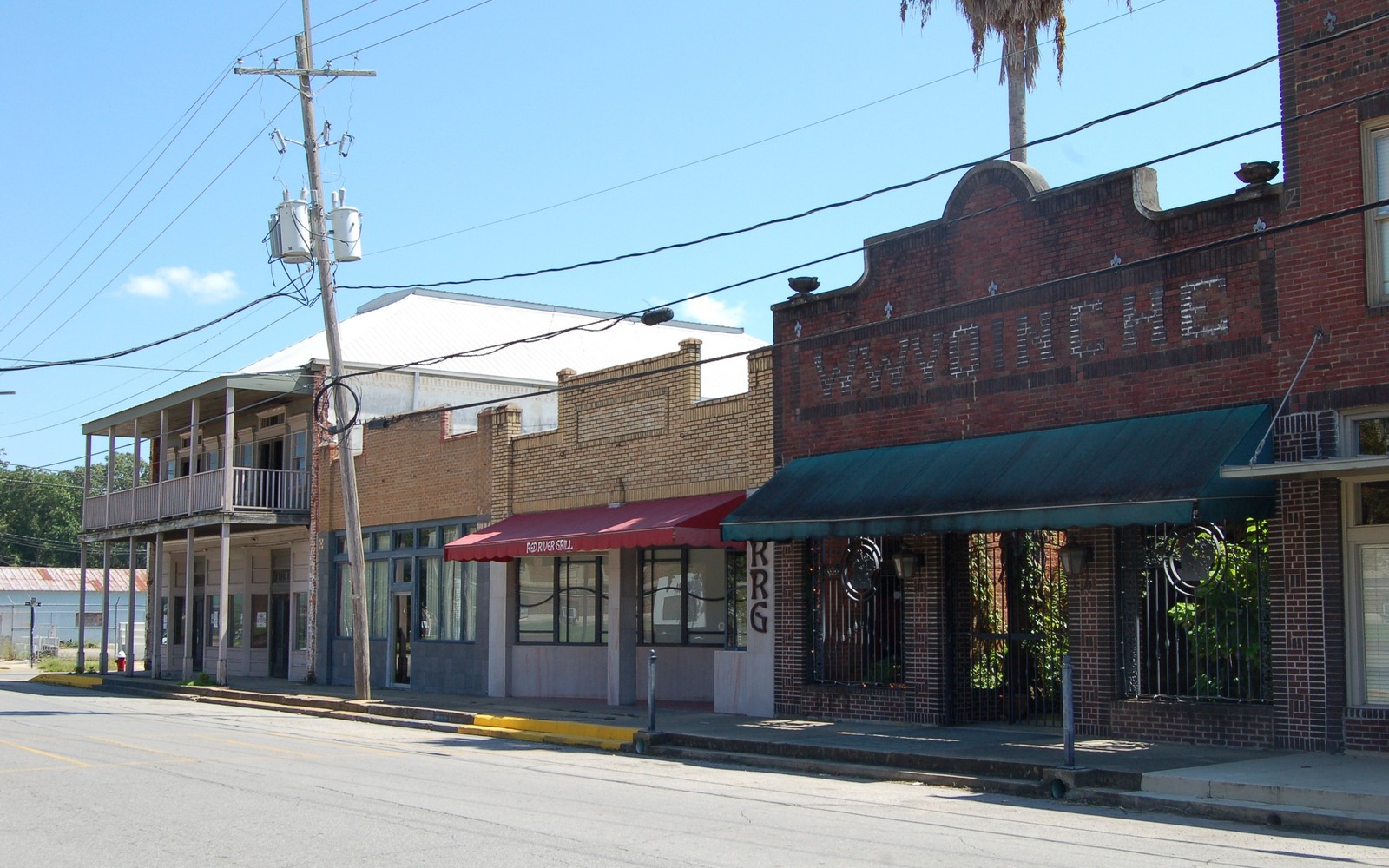
Sell Mineral Rights in Marksville, LA
Marksville is the Avoyelles Parish seat, and the parish records here go back further than the oil business itself — this land has been surveyed and re-surveyed since the days of Spanish and French land grants.
That older land history matters for mineral title work more than people expect. Some Marksville-area tracts trace their legal descriptions to old Spanish or French arpent surveys rather than the standard section-township-range grid used elsewhere in Louisiana, and Louisiana title reviewers have to reconcile those descriptions with the modern record before confirming exactly what you own.
Legacy land grants and modern mineral title
Avoyelles Parish's Spanish and French colonial land grant history is more prominent here than in most Louisiana parishes, and it shows up in older deeds with arpent measurements and metes-and-bounds descriptions rather than clean section numbers. Louisiana title reviewers check the Avoyelles Parish clerk of court's records to trace those older descriptions forward to a modern, confirmable legal description before making an offer.
Oil and gas production in this part of the parish has historically come from Tertiary sand horizons rather than any single named shale play, and activity has been episodic rather than continuous.
Confirming an old family tract
If your family's mineral interest traces back multiple generations in Avoyelles Parish, Louisiana title reviewers usually need to pull several linked deeds and successions to build a complete chain of title. It takes more work than a straightforward modern tract, but it's routine for Louisiana title reviewers — they have done this kind of research across the parish before.
What your Marksville offer reflects
Producing interests get valued off current statements. Non-producing interests get valued more conservatively, tied to recent nearby activity rather than the historical production the parish is known for.
Open the parish conveyance record first
A mailing address or a landmark is an orientation point, not the legal description of the mineral interest. The review identifies the governing parish, source deed, mineral reservation or servitude, later sales, acknowledgments, succession instruments, trust instruments, entity records, and corrective filings. Recording numbers and tract calls connect the chain forward to the current owner. Family recollection, a mailing address, or an operator statement can help locate the search, but none replaces the recorded chain.
Build the ten-year prescription timeline
A mineral servitude in this parish can be affected by Louisiana's ten-year prescription of nonuse. The file dates production, drilling, qualifying operations, acknowledgments, unit activity, and other events that may interrupt prescription, then matches those events to the correct tract and servitude. A lease or nearby well is not carried into the timeline unless the governing record shows why it affects the owned interest. The result distinguishes a live servitude, an unresolved prescription question, and minerals that may have returned to the surface owner.
Connect succession ownership to the unit
Louisiana succession records can divide a local mineral interest among heirs, spouses, trusts, or entities in fractions that later change again by sale or donation. Judgments of possession and later conveyances are linked to the present names before the tract is placed inside the controlling spacing, drilling, pooling, or compulsory unit order. The lease, unit order, well records, division order, and statement should describe the same participating tract and formation.
Reconcile the paid decimal
For a producing interest in the area, the worksheet compares the recorded fraction, net mineral acres, tract participation, unit participation, lease royalty, burdens, division order, and recent statements. A mismatch can come from title, a later conveyance, an amended unit, a payor setup issue, or an incorrect assumption about the rights conveyed. Undeveloped interests remain separate because they do not have a paid decimal or check history to support an income comparison.
Define the interest that could close
A local transaction should finish with a written scope that matches the parish abstract: record owner, parish, legal description, depths, fraction, effective date, included proceeds, excluded rights, title requirements, and any reservation. The proposed deed, assignment, closing exhibit, settlement statement, tax forms, and payment instructions should carry that same scope. Unresolved prescription, succession, trust, lien, prior-conveyance, or operator issues are listed as curative items rather than hidden inside a reduced number.
Questions to Resolve in the Louisiana File
The owner's deed uses an old arpent survey description. Can you still confirm the owner's acreage?
Yes. Louisiana title reviewers reconcile older Spanish and French land grant descriptions with the modern parish record as part of the title work — it's common in Avoyelles Parish and doesn't stop a sale.
Is there current oil and gas activity near Marksville?
It's episodic. Louisiana title reviewers check current SONRIS permitting and production records for your specific section rather than relying on the parish's general historical reputation.
How many generations back do you trace ownership?
As far back as needed to establish a clean, unbroken chain of title — sometimes three or four generations on older Avoyelles Parish tracts.
Trace the next link in the Louisiana record
Put the Parish Record Beside the Offer
Send the parish, legal description, owner name, operator or payor, and the records already available.
Open a Parish Review