
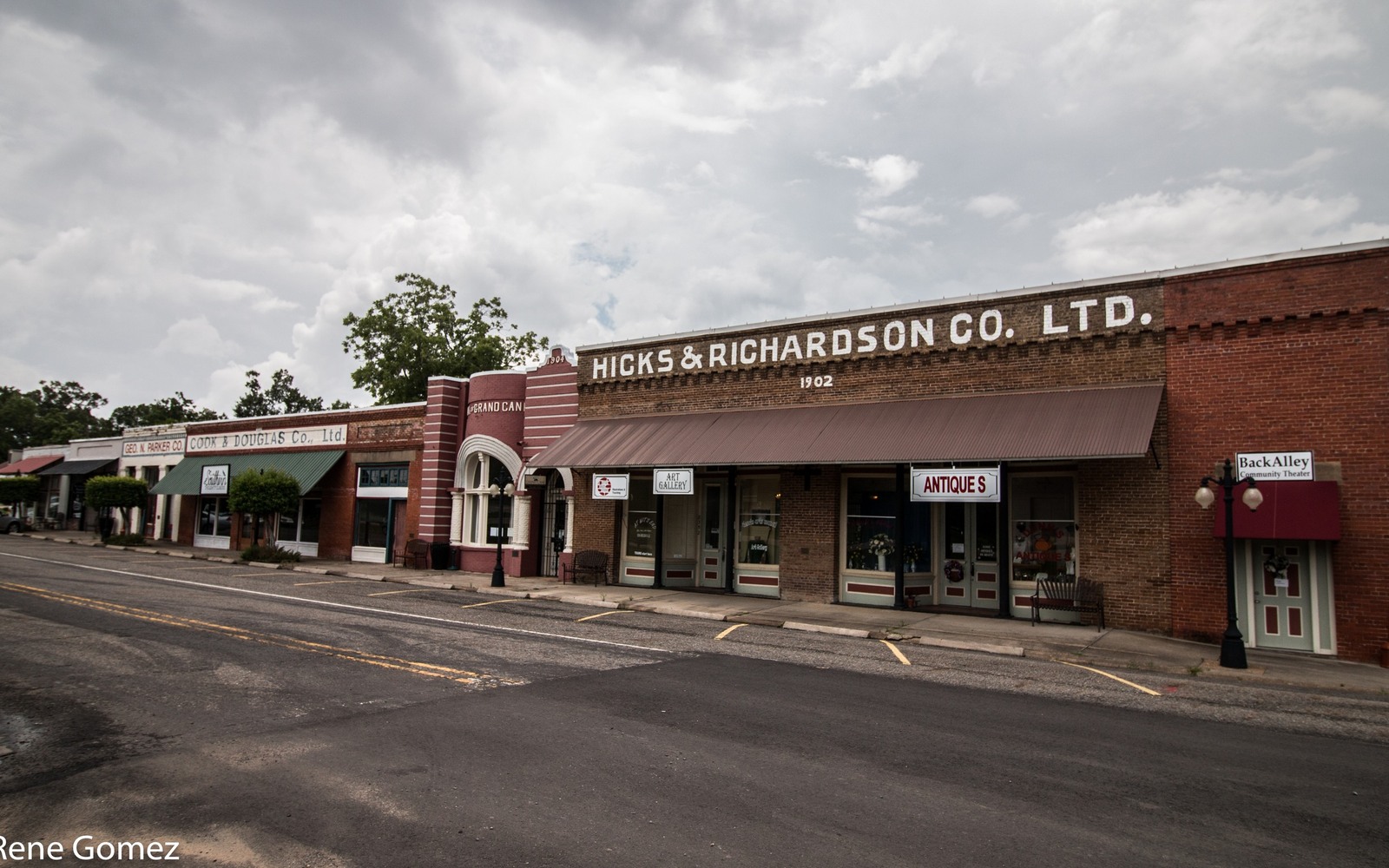
Sell Mineral Rights in Grand Cane, LA
Grand Cane is a small DeSoto Parish town sitting inside the core of the Haynesville Shale, where mineral tracts almost always carry some unit and production history.
DeSoto Parish absorbed a heavy concentration of Haynesville horizontal drilling starting in 2008, and Grand Cane was part of it. Most tracts Louisiana title reviewers have bought near here are held by production, some continuously since the earliest units went in.
Core Acreage, Real Comparables
Because DeSoto Parish has so much recorded Haynesville activity, Louisiana title reviewers can price a Grand Cane tract against genuine, recent comparables rather than guesswork. That's an advantage for sellers here compared to parishes with thinner activity, offers can be grounded in what's actually happened on nearby units.
Check for Recent Permits Before You Sell
Some DeSoto Parish units have seen renewed permitting in recent years as operators target the Bossier Shale stacked above the original Haynesville pay. If that's happening near your Grand Cane tract, it can shift value meaningfully, so Louisiana title reviewers check current permit filings before making an offer, and not only historical production.
What Louisiana title reviewers will Need From a Grand Cane Owner
Bring Louisiana title reviewers your deed and, if you have them, your most recent royalty statements. Louisiana title reviewers will match those against the DeSoto Parish unit records and put together a written offer with the reasoning laid out plainly, rather than a bare number with no explanation behind it.
If you're one of several heirs, Louisiana title reviewers can work with the group together or buy individual shares separately, whichever fits your family's situation better.
Open the parish conveyance record first
A mailing address or a landmark is an orientation point, not the legal description of the mineral interest. The review identifies the governing parish, source deed, mineral reservation or servitude, later sales, acknowledgments, succession instruments, trust instruments, entity records, and corrective filings. Recording numbers and tract calls connect the chain forward to the current owner. Family recollection, a mailing address, or an operator statement can help locate the search, but none replaces the recorded chain.
Build the ten-year prescription timeline
A mineral servitude in this parish can be affected by Louisiana's ten-year prescription of nonuse. The file dates production, drilling, qualifying operations, acknowledgments, unit activity, and other events that may interrupt prescription, then matches those events to the correct tract and servitude. A lease or nearby well is not carried into the timeline unless the governing record shows why it affects the owned interest. The result distinguishes a live servitude, an unresolved prescription question, and minerals that may have returned to the surface owner.
Connect succession ownership to the unit
Louisiana succession records can divide a local mineral interest among heirs, spouses, trusts, or entities in fractions that later change again by sale or donation. Judgments of possession and later conveyances are linked to the present names before the tract is placed inside the controlling spacing, drilling, pooling, or compulsory unit order. The lease, unit order, well records, division order, and statement should describe the same participating tract and formation.
Reconcile the paid decimal
For a producing interest in the area, the worksheet compares the recorded fraction, net mineral acres, tract participation, unit participation, lease royalty, burdens, division order, and recent statements. A mismatch can come from title, a later conveyance, an amended unit, a payor setup issue, or an incorrect assumption about the rights conveyed. Undeveloped interests remain separate because they do not have a paid decimal or check history to support an income comparison.
Define the interest that could close
A local transaction should finish with a written scope that matches the parish abstract: record owner, parish, legal description, depths, fraction, effective date, included proceeds, excluded rights, title requirements, and any reservation. The proposed deed, assignment, closing exhibit, settlement statement, tax forms, and payment instructions should carry that same scope. Unresolved prescription, succession, trust, lien, prior-conveyance, or operator issues are listed as curative items rather than hidden inside a reduced number.
Questions to Resolve in the Louisiana File
Is Grand Cane inside the Haynesville core?
Yes, DeSoto Parish is one of the core Haynesville counties.
How do you use nearby comparables to price the owner's tract?
Louisiana title reviewers look at recent lease bonuses and sale activity on units near yours within DeSoto Parish, adjusted for your tract's specific production history.
Should an owner wait for a Bossier Shale well before selling?
That depends on your risk tolerance. Selling now locks in a known number; waiting carries upside and downside both. Louisiana title reviewers lay out both honestly.
Can you buy from multiple heirs at different times?
Yes, Louisiana title reviewers can close with heirs individually as they're ready rather than requiring the whole family to sell at once.
How Fast Can the owners Close if the owner's Family Needs Cash Soon?
Once title is confirmed clean, a DeSoto Parish closing can move quickly, often within a few weeks. If a succession or other title issue needs resolving first, that adds time, but Louisiana title reviewers will give you a realistic timeline up front rather than a vague promise, so your family can plan around it.
Trace the next link in the Louisiana record
Put the Parish Record Beside the Offer
Send the parish, legal description, owner name, operator or payor, and the records already available.
Open a Parish Review