
Sell Mineral Rights in Crowley, LA
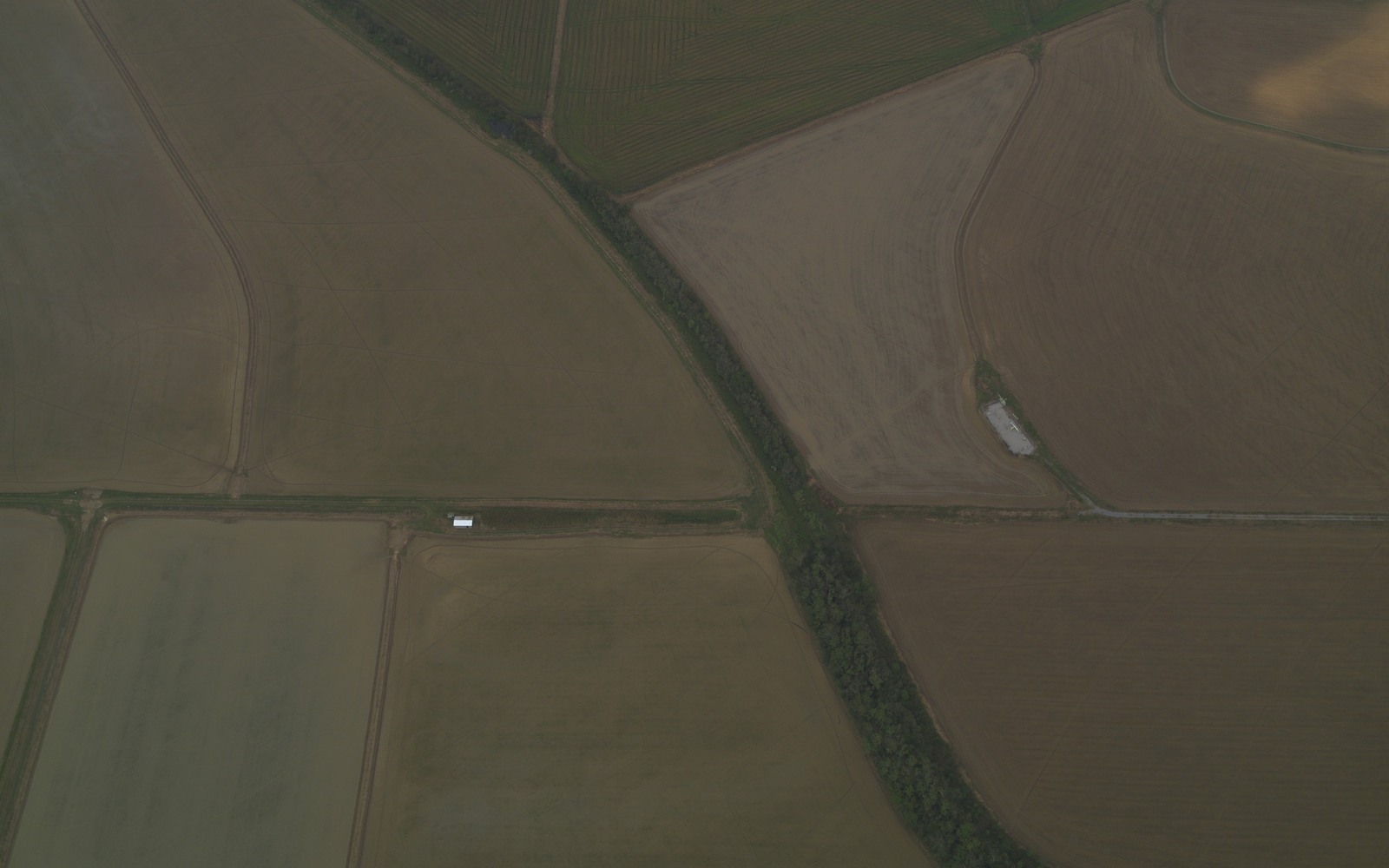
Crowley is the seat of Acadia Parish and calls itself the Rice Capital of America, and the mineral rights under the rice country surrounding town have a long, quiet history in Gulf Coast oil and gas production.
Acadia Parish's oil and gas development runs through older Gulf Coast sand reservoirs rather than any modern shale play, with production going back decades on some tracts around Crowley. Rice farming families here have often held both surface and mineral rights together for generations, though it's just as common to find the minerals reserved separately after a land sale sometime in the past.
Louisiana title reviewers buy mineral interests in and around Crowley — producing royalty interests with a real check history, or unleased fractions that have sat quiet for years. Louisiana title reviewers check the Acadia Parish clerk of court records independently before quoting a price.
Legacy Gulf Coast production, priced on its own terms
This part of Acadia Parish doesn't have the drilling intensity of the Haynesville core up north, and it never will — the geology here is different, shallower Gulf Coast sand rather than deep shale. What that means for an owner is steadier, smaller production over a longer stretch of time rather than one big well with a fast decline.
Louisiana title reviewers price accordingly: real weight goes on actual production history and any current lease terms, not on comparisons to a totally different play in a different part of the state.
Rice-country successions
A lot of family rice operations around Crowley have gone through multiple successions over the decades, with mineral rights divided among children and grandchildren even as the farming operation itself stayed intact or was sold outright. Louisiana title reviewers work directly with individual heirs, so if you own a piece of a larger family mineral interest, you don't need the rest of the family involved to sell your share.
Open the parish conveyance record first
A mailing address or a landmark is an orientation point, not the legal description of the mineral interest. The review identifies the governing parish, source deed, mineral reservation or servitude, later sales, acknowledgments, succession instruments, trust instruments, entity records, and corrective filings. Recording numbers and tract calls connect the chain forward to the current owner. Family recollection, a mailing address, or an operator statement can help locate the search, but none replaces the recorded chain.
Build the ten-year prescription timeline
A mineral servitude in this parish can be affected by Louisiana's ten-year prescription of nonuse. The file dates production, drilling, qualifying operations, acknowledgments, unit activity, and other events that may interrupt prescription, then matches those events to the correct tract and servitude. A lease or nearby well is not carried into the timeline unless the governing record shows why it affects the owned interest. The result distinguishes a live servitude, an unresolved prescription question, and minerals that may have returned to the surface owner.
Connect succession ownership to the unit
Louisiana succession records can divide a local mineral interest among heirs, spouses, trusts, or entities in fractions that later change again by sale or donation. Judgments of possession and later conveyances are linked to the present names before the tract is placed inside the controlling spacing, drilling, pooling, or compulsory unit order. The lease, unit order, well records, division order, and statement should describe the same participating tract and formation.
Reconcile the paid decimal
For a producing interest in the area, the worksheet compares the recorded fraction, net mineral acres, tract participation, unit participation, lease royalty, burdens, division order, and recent statements. A mismatch can come from title, a later conveyance, an amended unit, a payor setup issue, or an incorrect assumption about the rights conveyed. Undeveloped interests remain separate because they do not have a paid decimal or check history to support an income comparison.
Define the interest that could close
A local transaction should finish with a written scope that matches the parish abstract: record owner, parish, legal description, depths, fraction, effective date, included proceeds, excluded rights, title requirements, and any reservation. The proposed deed, assignment, closing exhibit, settlement statement, tax forms, and payment instructions should carry that same scope. Unresolved prescription, succession, trust, lien, prior-conveyance, or operator issues are listed as curative items rather than hidden inside a reduced number.
Questions to Resolve in the Louisiana File
Is there current oil and gas activity near Crowley?
Production in this part of Acadia Parish is mostly legacy Gulf Coast sand output rather than new drilling. Louisiana title reviewers check current well status and any recent leasing before pricing your interest.
The owner's family farms rice on the land but the owners also own the minerals — does that change anything?
No. Louisiana title reviewers only buy the mineral interest, not the farmland, so your farming operation is unaffected by a mineral sale.
How do you value a producing royalty interest near Crowley?
Louisiana title reviewers look at the actual production history, decline trend, and any current lease terms tied to your specific interest rather than quoting a flat number.
Trace the next link in the Louisiana record
Put the Parish Record Beside the Offer
Send the parish, legal description, owner name, operator or payor, and the records already available.
Open a Parish Review