
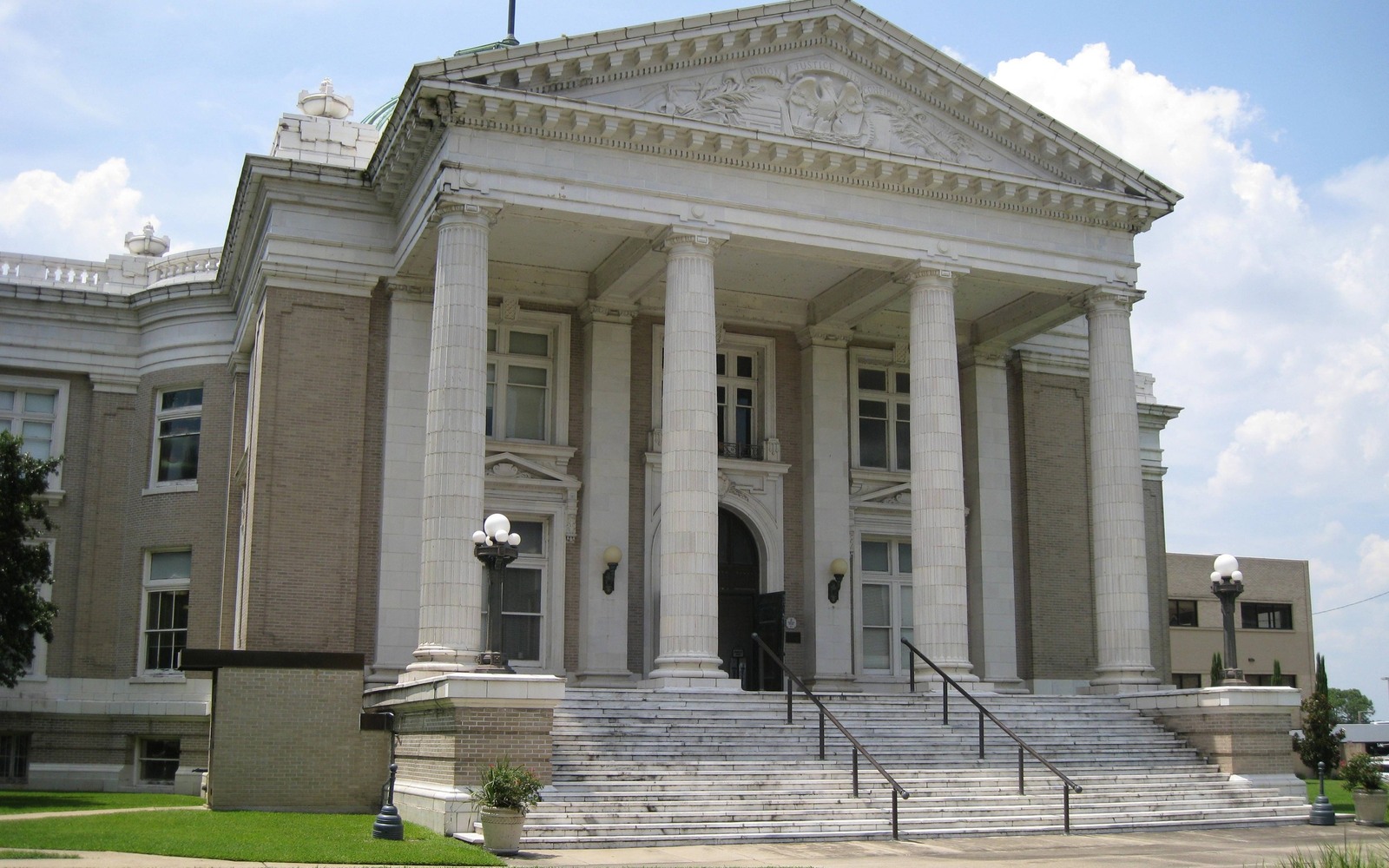
Sell Mineral Rights in Calcasieu Parish, LA
Calcasieu Parish, led by Lake Charles, has one of the longest industrial oil and gas histories in southwest Louisiana, and mineral ownership out here often gets confused with the region's more recent LNG and petrochemical growth, which is a separate thing entirely.
Lake Charles and the surrounding parish sit on legacy oil and gas fields that have produced for decades, plus a heavy concentration of refining and petrochemical infrastructure that's grown even further in recent years with LNG export terminal development along the coast. It's easy for a mineral owner here to assume that industrial growth automatically means their interest is worth more, but pipeline and terminal development is a surface and midstream story, not necessarily a change in what's happening with their specific mineral servitude thousands of feet underground.
Louisiana title reviewers keep those two things separate when they check a Calcasieu Parish tract — what's actually producing from the mineral estate, versus what industrial activity is happening on the surface nearby. Only the first one determines what your interest is worth as a seller.
Legacy Fields Beneath an Industrial Corridor
Calcasieu Parish has decades of production history from shallower Gulf Coast fields, predating the refining and petrochemical build-out that now dominates the area around Lake Charles and Sulphur. Some of these older fields are still producing, quietly, without much public attention.
Areas like Carlyss, near Sulphur, sit close to this industrial corridor, and it's common for a family here to hold a mineral interest that's been quietly producing for years without anyone checking its current value.
LNG Growth Doesn't Change Your Mineral Rights
The growth of Cameron LNG and related export infrastructure along the coast has driven real interest in surface leases, pipeline right-of-way agreements, and port access — but those are separate transactions from mineral rights ownership. If your family has been approached about a right-of-way or surface agreement, that's not the same conversation as selling your mineral servitude or royalty interest.
Louisiana title reviewers check specifically for an actual oil and gas lease or producing unit tied to your legal description, rather than let surface activity in the area create false expectations about mineral value.
Old Family Ownership and Fractional Interests
A lot of Calcasieu Parish mineral ownership has moved by inheritance rather than sale, split across generations of families who settled this part of the state long before the refineries went up. Confirming the current recorded owners through the succession record is a routine, necessary step before any sale.
What Actually Sets the Number Here
For a producing interest, Louisiana title reviewers price against actual royalty history from the specific well or unit. For undeveloped acreage, Louisiana title reviewers price against nearby oil and gas activity, not against industrial or LNG-related land value, which is an entirely different market.
Questions to Resolve in the Louisiana File
the owners were approached about a right-of-way for a pipeline. Does that mean the family's minerals are valuable too?
Not necessarily — a right-of-way or surface agreement is separate from mineral ownership. Louisiana title reviewers check for an actual oil and gas lease or producing unit independently.
Is there still real oil and gas production in Calcasieu Parish?
Yes, in older legacy fields that predate the area's refining and LNG growth. Louisiana title reviewers check whether your specific tract falls within one of those producing units.
Does LNG development near Lake Charles increase mineral rights value?
Not directly — LNG terminals and pipelines are surface and midstream infrastructure, a different market from mineral servitudes and royalties.
How far back does the family's family's interest usually go in this parish?
Often to farm or homestead tracts settled well before the petrochemical industry arrived. Louisiana title reviewers trace that through the parish succession and conveyance records.
What towns fall inside Calcasieu Parish besides Lake Charles?
Sulphur, Carlyss, Vinton, Iowa, and Westlake are all within the parish, each with its own mix of legacy field history and modern industrial development. Louisiana title reviewers check the specific tract rather than the parish as a whole.
Is the owner's interest worth less because it sits close to a refinery or industrial site?
Not necessarily. Proximity to industrial development doesn't change what a producing mineral unit is worth. Louisiana title reviewers price against the actual well and royalty history, not the surrounding land use.
Where are the Calcasieu Parish records kept?
The Calcasieu Parish Clerk of Court in Lake Charles holds conveyance, mortgage, and succession records, and that's always the owner's first stop before making an offer.
Can an owner sell just a small piece of an inherited fraction here?
Yes. You can sell your own undivided share without other heirs joining in, as long as your ownership is clear in the succession or conveyance record.
Does the parish's industrial growth make old shallow legacy production more valuable?
Not directly. Industrial and LNG-related growth affects surface and midstream land values, but a producing mineral unit is still priced against its own royalty history and decline curve, not the surrounding development.
What other towns besides Lake Charles and Sulphur fall inside Calcasieu Parish?
Vinton, Iowa, Westlake, DeQuincy, and Carlyss are all within the parish boundary, each with its own mix of legacy field history and current activity.
Trace the next link in the Louisiana record
Put the Parish Record Beside the Offer
Send the parish, legal description, owner name, operator or payor, and the records already available.
Open a Parish Review